Introduction
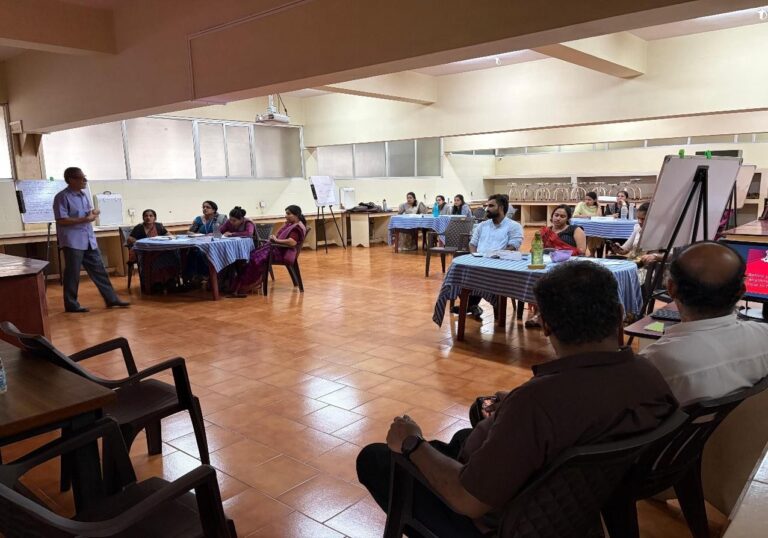
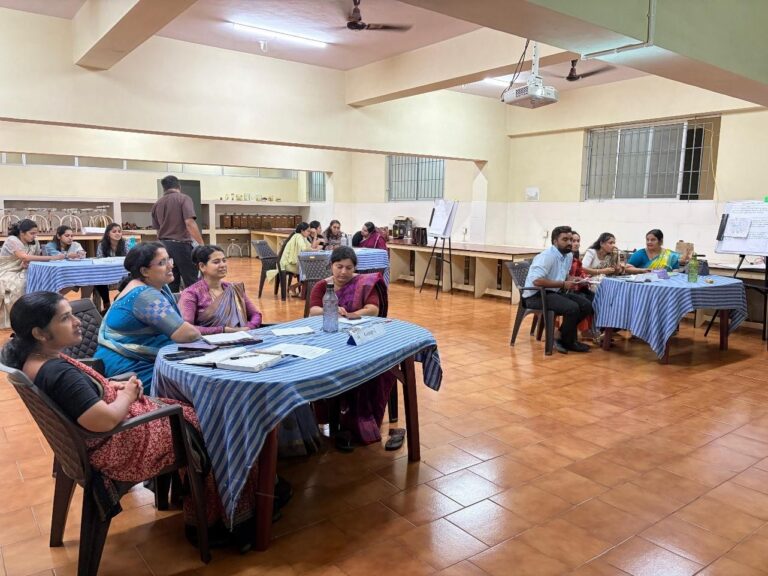
A Basic Course in Medical Education (BCME) programme was conducted on 12th, 13th, 14th and 16th August 2026 at the Practical Hall, Department of Forensic Medicine, from 1:30 PM to 5:00 PM. The programme was designed to provide faculty participants with an understanding of key principles of competency-based medical education (CBME), effective teaching-learning methods, assessment strategies, feedback, and mentoring.
The sessions incorporated interactive and participatory approaches to facilitate application of educational concepts to undergraduate medical education.
Day 1 – 12th August 2026
The programme commenced with an introductory session facilitated by Dr. PreethirajBallal, which included the pre-test and introduction of participants and faculty. This was followed by the session on Group Dynamics, facilitated by Dr. Neelambikai Natarajan, focusing on understanding the concepts of group dynamics and applying them to group/team-based teaching and learning.
The session on the Learning Process, Learning Domains and Principles of Learning was facilitated by Dr. Namratha KG and Dr. Navya B.N. Participants were introduced to the hierarchy of learning, different learning domains and important principles governing the teaching-learning process.
The subsequent session on Goals, Roles, Competencies and Learning Objectives in CBME was facilitated by Dr. Ranganatha N., with Dr. Navya B.N., Dr. Shruthi Rai and Dr. Namratha KG facilitating the activity on designing appropriate learning objectives for competencies. The relationship between goals, roles, competencies and learning objectives was discussed, along with the principles of competency-based learning and the concept of an Indian Medical Graduate (IMG).
Day 2 – 13th August 2026
The second day focused on Teaching-Learning Methods, including large-group interactive teaching and small-group teaching methods. Dr. Shruthi Rai facilitated the session on various teaching-learning methods, while Dr. K. S. Bhat addressed the principles of interactive learning in a large group. Dr. Anil Baipadithaya facilitated the session on small-group teaching methods, and Dr. Ranganatha N. discussed the changing role of the teacher from an information provider to a facilitator.
An introductory session on Assessment, facilitated by Dr. Bharath Shetty, covered the principles, types and attributes of assessment and its utility in medical education.
The participants were subsequently introduced to Internal Assessment (IA) and Formative Assessment. Dr. Shruthi Rai facilitated the session on designing an internal assessment module and developing a plan for internal and formative assessment, while Dr. PreethirajBallal facilitated the session on providing effective feedback to students.
Day 3 – 14th August 2026
The third day continued the programme with sessions related to the application of competency-based medical education principles in curriculum planning, teaching-learning and assessment. The specific session-wise facilitator details for 14th August are not available in the schedule provided.
The sessions provided opportunities for participants to relate the concepts discussed during the preceding sessions to their own undergraduate teaching practices and to develop practical approaches for implementing CBME principles.
Day 4 – 16th August 2026
The final day focused extensively on alignment of teaching-learning methods and assessment with competencies and learning objectives, with Dr. Ravikanth G.O. and Dr. PreethirajBallal facilitating the session on aligning TLMs with objectives and competencies.
Participants were introduced to the concept of blueprinting by Dr. Ravikanth G.O. and were involved in designing theory and practical/clinical examinations with Dr. Navya B.N. and Dr. Shruthi Rai. Dr. PreethirajBallal facilitated the session on writing appropriate essay questions, including short-answer and reasoning questions, while Dr. Bharath Shetty facilitated the session on writing appropriate scenario-based MCQs.
The session on drafting a schedule for a competency-based academic phase, facilitated by Dr. Navya, highlighted the steps involved in developing an academic timetable based on competencies. This was followed by a session on lesson planning, facilitated by Dr. K. S. Bhat, where participants worked on developing lesson plans appropriate to specified objectives and teaching-learning methods.
A dedicated session on assessment of clinical and practical skills was facilitated by Dr. Anil, Dr. Ranganatha N., Dr. Bharath Shetty and Dr. Ravikanth G.O. The session addressed effective skill assessment, assessment of skills at the workplace, use of the skills laboratory, and designing a skills assessment station.
The programme also addressed alignment of assessment methods with competencies and teaching-learning methods, facilitated by Dr. Ranganatha N. and Dr. Anil S. Baipadithaya, enabling participants to select appropriate assessment strategies for given competencies and objectives.
The final academic session focused on Mentoring, facilitated by Dr. Neelambikai Natarajan, including the principles of mentoring and their application in undergraduate and postgraduate curricula.
The programme concluded with a post-test, re-trope/feedback session and closing remarks, with the participation of all faculty facilitators. Participants were encouraged to apply the principles and strategies discussed during the programme in their respective teaching-learning and assessment practices.
Conclusion
The BCME programme provided a structured and interactive platform for faculty development in medical education. The programme was facilitated by Dr. PreethirajBallal, Dr. Neelambikai Natarajan, Dr. Namratha KG, Dr. Navya B.N., Dr. Ranganatha N., Dr. Shruthi Rai, Dr. K. S. Bhat, Dr. Anil Baipadithaya, Dr. Bharath Shetty and Dr. Ravikanth G.O. across the various sessions. The programme covered major domains of CBME, including group dynamics, learning principles, competencies and learning objectives, teaching-learning methods, assessment, feedback, blueprinting, question-paper development, lesson planning, clinical skills assessment, alignment of teaching and assessment, and mentoring.
The combination of interactive sessions and practical activities facilitated better understanding and application of medical education principles. The programme concluded successfully with participant feedback and a post-test.